
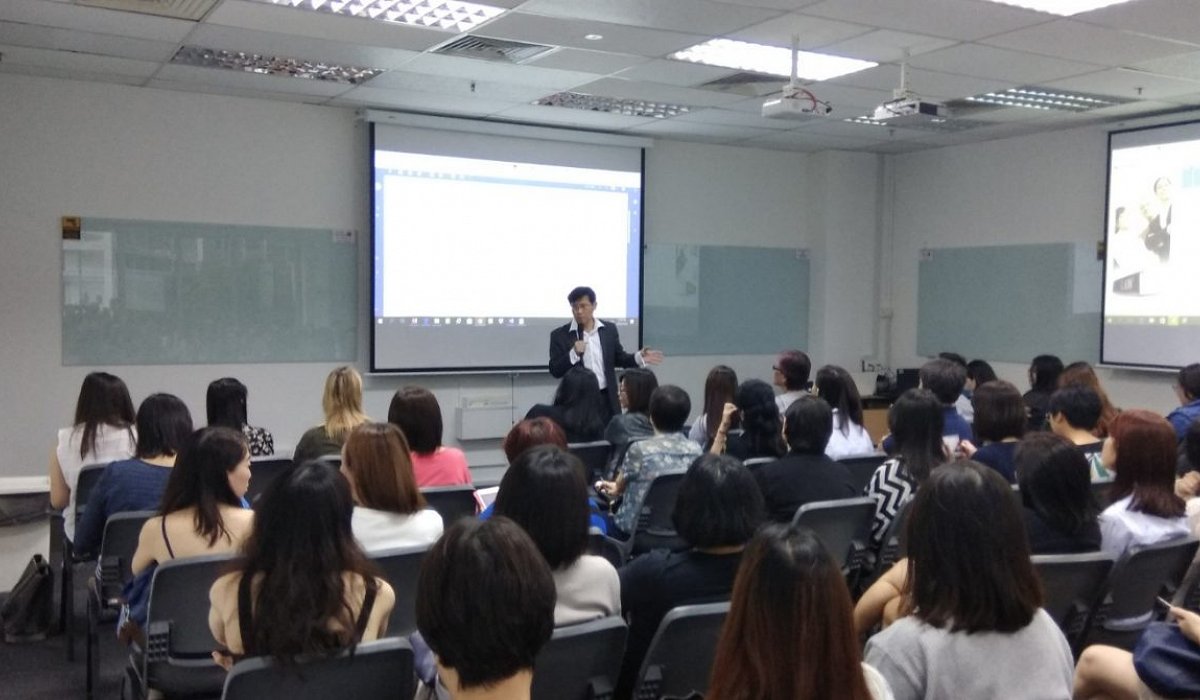
Empowering human resource practitioners in Singapore with deep expertise in employment laws and industrial relations. We provide the practical training and consultancy needed to navigate complex legislation with confidence. Join our workshops online or in-person.
Stay ahead of the latest changes in Singapore’s labor landscape. Our featured workshops are designed to give human resource practitioners the practical tools needed to manage compliance and industrial relations effectively. Explore our upcoming sessions below.

Mastering and knowing how to apply The Employment Act is both a skill and an art.
While anyone can read a statute, true expertise lies in the nuanced application of the law to real-world workplace challenges. As a human resource practitioner in Singapore, you need more than just theory—you need the practical confidence to handle complex employee relations and high-stakes disputes.
Equipping yourself with insights from our veteran HR trainers will help you:
Bridge the Gap: Translate complex legal requirements into actionable workplace policies.
Gain a Competitive Edge: Stand out in your organization as a subject matter expert.
Mitigate Risk: Identify potential pitfalls early and protect your organization from costly legal oversights.
For more information on our Employment Act workshops and other HR Law related workshops, please call +65 6334 3177, email enquiries@hrlawacademy.com.sg or use the online contact form.
Click on the questions below to find out:
An employee is entitled to 7 working days for the first year of service and subsequently an extra day for of annual leave for every subsequent 12 months of continuous service subject to a maximum of 14 days.
Under the Singapore Employment Act, there is no fixed statutory definition for Managers and Executives (M&Es) based on job title alone. Instead, the Ministry of Manpower (MOM) assesses an employee's actual operational duties, decision-making authority, and executive powers.
An employee is generally classified under the managerial or executive category if they meet any of the following criteria:
Executive Authority: Possesses direct authority or substantive influence over hiring, firing, promotions, transfers, performance appraisals, or disciplinary actions of staff.
Operational Strategy: Primary duties involve formulating organizational policies, developing business strategies, and directing day-to-day business operations.
Access to Confidential Data: Entrusted with sensitive corporate data, including staff compensation structures, company financial positions, operational trade secrets, or proprietary business information.
Unsure if your staff fall under these categories? Join our next Employment Act Executive Workshop for a deep dive into employee classifications.
Under part section 66A of the Employment Act, part-time employee means an employee who is required under his contract of service with an employer to work for less than 35 hours a week.
At least 1.5 times the hourly basic rate of pay. Under Part IV of the Singapore Employment Act, any overtime (OT) work performed beyond an employee's normal contractual working hours on a public holiday must be compensated at a minimum rate of 1.5x their basic hourly wage.
Avoid costly MOM calculation traps: Master public holiday OT and statutory compliance formulas in our hands-on Legal Aspect of Payroll Administration Workshop.
Sick leave is taken as full day under the Employment Act. This is unless the employment contract states otherwise ie offering better terms than what is stated under the Employment Act.
Yes. Since your employer has asked you to work beyond your contractual working hours, you are entitled to overtime payment at the rate of at least 1.5 times your basic hourly pay. This is regardless of your status of employment – whether you are on probation, or working on a part-time, casual or temporary basis.
We support human resource practitioners in Singapore with more than just workshops. Our specialized services are designed to strengthen your organization’s operational compliance:
• Customized In-House Training: Content built for your specific team.
• HR Consultancy: Expert audits and industrial relations advice.
• Training Room Rental: Professional spaces for your meetings and seminars.

HR Law Academy can tailor training programmes to specially address the specific learning and development needs of your employees.
View Details
HR Law Academy provides consultancy and auditing services to corporations in the areas of employment laws and industrial relations legislation and practices.
View Details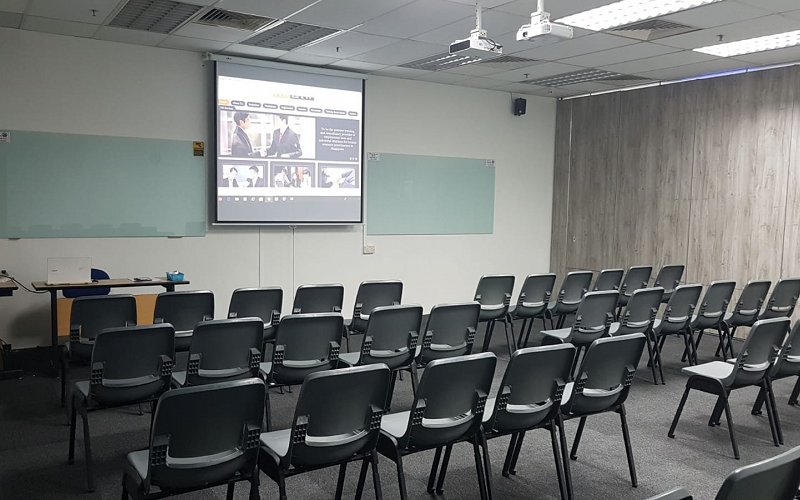
HR Law Academy also offer affordably priced training room rental for seminars, training courses and meetings in central locations with well equipped facilities.
View DetailsGet the most out of your professional development with our HR & Employment Law courses in Singapore. While AI can assist with simple enquiries, it lacks the in-depth, nuanced expertise that HR Law Academy provides. From upfront individual discounts to group corporate rates, we ensure your journey to true legal proficiency and organizational protection is fully supported.
Enjoy group discounts for 3 or more registrations from the same organisation.
Go beyond AI-generated answers. Bring your most complex workplace scenarios to the workshop for a deep-dive analysis by our senior legal consultants.

"HR Practitioners who are armed with Employment Law knowledge will definitely have an edge and will be able put their organisation on good stead and protect their organisation from risk."
— Arthur Khong, Chief Trainer